Hainault garden clearance rules and disposal for gardeners
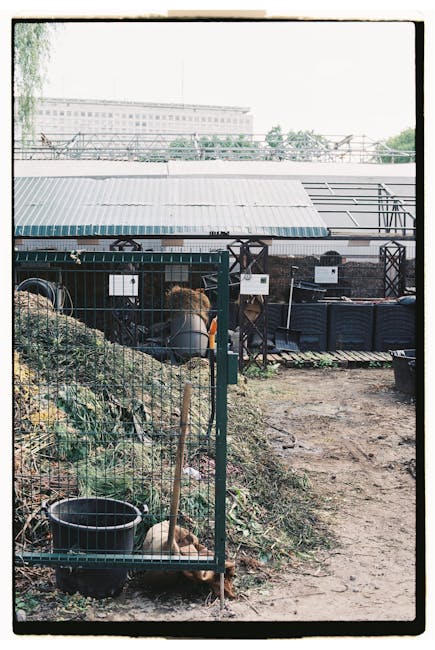
Garden clearance sounds simple until you are stood in front of a heap of hedge cuttings, broken canes, damp leaves, a half-rotted shed panel, and a bin that is already full. In Hainault, as in much of London, the difference between a tidy clearance and a messy disposal job is knowing what can go where, what needs separating, and how to avoid trouble with waste handling. That is really the heart of Hainault garden clearance rules and disposal for gardeners.
If you garden for a living, or you are doing a one-off clearance for a client, the process needs to be practical, legal, and efficient. You want the garden looking better, not leaving behind a trail of avoidable mistakes. This guide walks through what the rules mean in plain English, how disposal usually works, where the common risks sit, and how to keep the job clean from start to finish. Nothing fancy. Just the stuff that matters.
- Why the rules matter in Hainault
- How garden clearance and disposal works
- Benefits of doing it properly
- Who needs this guidance
- Step-by-step clearance process
- Expert tips from the field
- Mistakes to avoid
- Tools and resources
- Law, compliance and best practice
- Methods and options compared
- Real-world example
- Practical checklist
- Conclusion
- Frequently asked questions
Why Hainault garden clearance rules and disposal for gardeners Matters
Garden clearance is not just about getting rid of waste. It is about handling different materials in a way that is safe, lawful, and sensible for the site. In Hainault, gardeners often deal with a mix of green waste, timber, soil, pots, plastic, old fencing, and sometimes fly-tipped rubbish that should never have been in the garden in the first place. Each type may need a different disposal route.
Why does that matter? Because one careless load can become a bigger problem than the clearance itself. Mixed waste can be rejected, contamination can reduce recycling options, and certain items may require special handling. A wet pile of green waste that has been mixed with rubble, for example, is much harder to process cleanly. It is heavier too, which affects cost and handling. Little details, big difference.
For gardeners and property owners, the rules also matter because they protect reputation. A neat border and a swept patio are great, but if the waste has been dumped illegally or taken without proper care, the job is not really finished. That is the part clients remember.
For broader garden work, it often helps to think of clearance as one piece of a wider maintenance plan. Services such as garden maintenance, hedge trimming, lawn mowing, and even tree lopping and removal all generate different kinds of waste and need slightly different planning.
Expert summary: the safest way to approach garden clearance is to sort waste early, separate reusable or recyclable material where possible, and never assume every bag or bundle can go in the same load.
How Hainault garden clearance rules and disposal for gardeners Works
The process usually starts with a simple site check. What is on the ground? What is growing? What is damaged? What looks reusable? And, to be fair, what looks like it has been neglected for a while? The answers shape the disposal plan.
In practical terms, most garden clearance jobs fall into a few broad categories:
- Green waste such as grass cuttings, hedge trimmings, leaves, weeds, and small branches.
- Woody waste such as thicker branches, old shrubs, and prunings.
- Hard landscaping waste such as broken paving, soil, stones, turf, bricks, and timber.
- Mixed household-style waste such as planters, broken furniture, plastics, and old garden accessories.
- Potentially restricted items such as treated timber, electricals, paint tins, gas canisters, or anything the client found in a shed and forgot to mention until the last minute. Happens more often than you think.
Once sorted, the waste can then be bagged, bundled, loaded, or separated for different disposal routes. Clean green waste often has the best chance of being recycled or composted. Soil and hardcore usually need different handling. Mixed loads are the least efficient and often the most expensive to move because they are difficult to process cleanly.
In a well-run clearance, the gardener should know the site access, the likely volume, and whether the job is a one-off tidy-up or part of a bigger renovation. If the clearance links to landscaping work, the planning should be tighter still. You can see how that fits with broader site transformation through landscape gardening and landscaping.
And yes, the disposal side matters just as much as the tidy-up. A garden can look immaculate for an hour, then the wrong waste contractor shows up, leaves a mess, and somehow the job feels half-done. Nobody wants that.
Key Benefits and Practical Advantages
Following the right clearance and disposal process is not just about compliance. It also saves time, avoids unnecessary costs, and makes the garden easier to use afterwards. The benefits are very real, especially on larger Hainault properties or gardens that have not been touched properly in months.
- Cleaner results: sorted waste means less chance of debris being left behind.
- Lower risk of contamination: separating green waste from rubble or general waste helps recycling.
- Better cost control: properly sorted waste is usually easier to estimate and remove.
- Safer working conditions: hidden glass, rot, or nails are easier to manage when clearance is organised.
- Less disruption: fewer trips, fewer delays, and less back-and-forth on site.
- Improved client trust: people notice when a job is handled neatly and responsibly.
There is also a sustainability angle. Good disposal habits can reduce landfill use and increase recycling opportunities. If that matters to you or your clients, it should matter, because it often does in today's gardening work. For more on that approach, have a look at recycling and sustainability.
One more thing: proper disposal protects the garden itself. Heavy piles left on turf can scorch grass, compact soil, or leave bare patches. A quick job can turn into a recovery job, which is nobody's favourite surprise.
Who This Is For and When It Makes Sense
This guidance is for gardeners, landscapers, property managers, landlords, and homeowners who need to clear waste responsibly in Hainault. It is especially useful if the job is more than a light tidy. If you are facing overgrown hedges, a garden full of cut material, or an end-of-tenancy clear-out, the disposal side becomes a proper planning issue.
It makes sense to follow a stricter clearance routine when:
- the garden has been neglected for a long time;
- there is a mix of organic waste and hard waste;
- access is narrow or awkward;
- you are working around neighbours, shared boundaries, or limited parking;
- there are trees, large shrubs, or root material involved;
- the client expects a full finish rather than just waste removal.
It is also sensible when the garden is being reset before future work such as decking, planting, or a redesign. In those cases, clearance is not a side task. It is the starting point. If you are planning a wider refresh, you may find it useful to explore decking services and the wider services overview.
Truth be told, the people who benefit most from clear rules are often the people who thought they could wing it. The second bag fills faster than expected. The van gets fuller than expected. Then the real work starts.
Step-by-Step Guidance
Here is a practical way to handle garden clearance and disposal without making life difficult for yourself.
- Survey the site carefully. Walk the whole garden, not just the obvious bits. Look in corners, behind sheds, under hedges, and along fences.
- Separate the waste. Group green waste, woody material, soil, timber, and general rubbish before loading anything.
- Identify restricted items. Treat anything sharp, hazardous, contaminated, or unusual as a separate category until you know how it should be handled.
- Check access and handling routes. Decide where waste will be stacked, loaded, or carried through without damaging lawns or beds.
- Protect the working area. Use boards, mats, or sensible footpaths where needed, especially on soft ground after rain.
- Load in the right order. Heavier items first, lighter and more awkward material after. Nobody likes a van that shifts halfway through the day.
- Dispose responsibly. Use a route that suits the waste type, whether that means green recycling, mixed waste handling, or a separate disposal method for heavier material.
- Final sweep and check. Finish with a visual inspection. Small bits of plastic and wire are the usual culprits for a job that looks almost done.
If you are handling larger or more complex waste, it may be worth building the clearance into a maintenance cycle instead of treating it as a one-off event. That is often where good long-term results come from. A single brutal tidy-up helps, but regular upkeep keeps the space manageable.
Expert Tips for Better Results
Here are the little things that make a clearance job smoother in real life.
- Start with the waste that breaks down fastest. Fresh hedge cuttings and soft green waste can go compact quickly if left too long in warm weather.
- Keep dry and wet waste apart. Wet material is heavier and often messier, and it can complicate loading.
- Cut long material down early. Long branches, canes, and stems are awkward to move if you leave them whole.
- Watch for hidden snag points. Old wire, nails, splinters, and broken trellis can catch bags and gloves.
- Plan around the weather. A dry morning can become a muddy afternoon. London weather enjoys a bit of drama, apparently.
- Be realistic about volume. What looks like "a few bags" can become several loads once it is cut and stacked.
A practical habit we would strongly recommend is taking a quick inventory before the work begins. Even a rough list helps: green waste, woody waste, soil, rubble, damaged timber, and any special items. That simple step saves arguments later. It also keeps the disposal part far less chaotic.
When a clearance is being done alongside hedge work or tree pruning, you can reduce waste handling problems by sequencing the job sensibly. For example, finish major pruning before final collection. If not, you may end up gathering the same pile twice. Nobody needs that extra lap.
Common Mistakes to Avoid
Most clearance problems are not dramatic. They are the result of small shortcuts that pile up. Here are the usual ones.
- Mixing everything together. Once waste is blended, sorting becomes harder and disposal options narrow.
- Underestimating weight. Soil, wet cuttings, and broken masonry are much heavier than they look.
- Ignoring hidden waste. Old gloves, plastic netting, broken pots, and rusty fixings often sit under larger debris.
- Leaving stumps and roots unplanned. They may need a different removal approach from surface debris.
- Using the garden as a staging area for too long. Piles left out for days can attract pests or create damp, slippery conditions.
- Not checking what is actually on site. The client says "just leaves and branches", then the shed reveals three broken chairs and a bag of mystery bits. Happens.
The simplest way to avoid most of these problems is to slow down for ten minutes at the start. Not glamorous, but very effective. A quick assessment saves much longer delays later on.
Tools, Resources and Recommendations
You do not need a mountain of specialist kit for most garden clearance work, but the right tools do make a difference.
- Heavy-duty gloves for brambles, splinters, and hidden debris.
- Rakes, forks, and loppers for collecting and reducing bulk.
- Strong bags or sacks for green waste and lighter mixed material.
- Wheelbarrows or tubs for moving loads across the site without dragging them.
- Tarps or sheets for temporary staging and ground protection.
- Pruning saws and secateurs for reducing branches to manageable sizes.
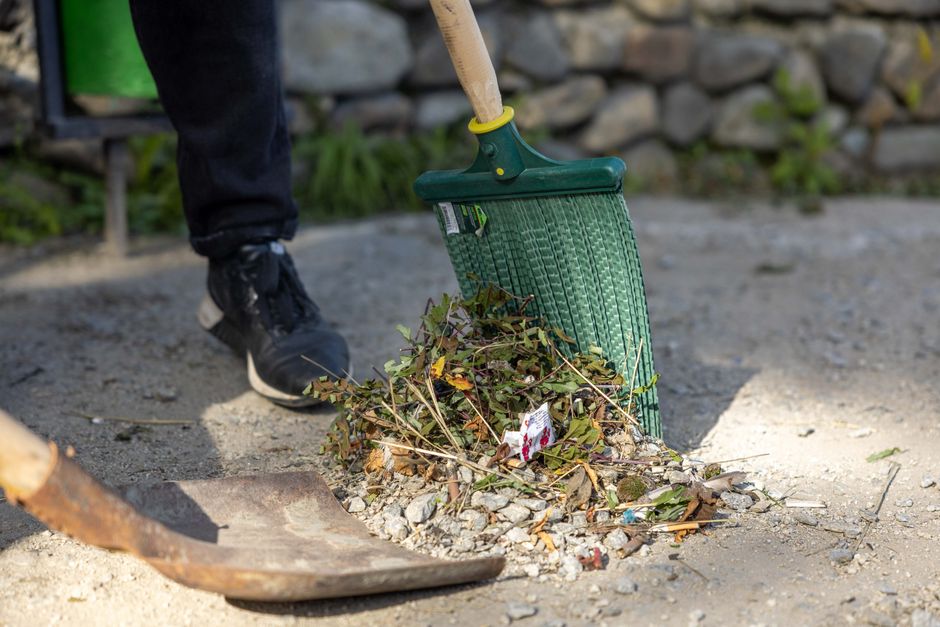
- Brooms and hand tools for the final tidy.
On the planning side, a good local gardening service should be transparent about disposal, access, safety, and what happens to the waste after collection. If you are comparing providers, ask how they separate waste, whether they prioritise recycling, and how they handle awkward material. Those conversations tell you a lot, usually within minutes.
You can also review practical service details such as pricing and quotes, and check the company's standards around health and safety and insurance and safety. That is not paperwork for the sake of it. It is how you protect the job, the site, and the people on it.
Law, Compliance, Standards, or Best Practice
When you are dealing with garden clearance waste, the key principle is simple: know what you are moving, and know where it is going. In the UK, waste handling is expected to follow proper duty-of-care principles, which in plain terms means you should not pass waste to anyone who cannot handle it appropriately, and you should avoid mixing waste in a way that makes safe treatment harder.
For gardeners, the practical best practices are straightforward:
- keep waste types separate where possible;
- avoid fly-tipping or unofficial dumping arrangements;
- treat contaminated or unusual items carefully;
- use sensible load management and safe lifting practices;
- record or confirm disposal arrangements when the job calls for it.
Where the garden is part of a commercial or managed property, those expectations become even more important. Clients generally want reassurance that waste is handled responsibly and that the work site is left in a clean, safe condition. And quite reasonably so.
Best practice also means being honest about limits. Some items are better handled separately, some jobs need extra labour, and some sites are simply awkward. Good gardeners say that early. It avoids surprise, which everyone appreciates in the end.
Options, Methods, or Comparison Table
Different clearance methods suit different jobs. Here is a simple comparison to help you choose the right approach.
| Method | Best for | Strengths | Trade-offs |
|---|---|---|---|
| Green waste separation | Cuttings, leaves, hedge waste, soft prunings | Cleaner recycling route, lighter loads, easier handling | Needs sorting and space to keep material apart |
| Mixed waste removal | Jobs with a combination of organic and non-organic material | Flexible, practical for cluttered gardens | Less efficient, can be costlier and harder to process |
| Sectioned clearance | Large or overgrown gardens | Reduces confusion, better for staged work | Takes more planning and site organisation |
| Full clearance before landscaping | Garden redesigns, new turf, patio or decking plans | Gives a clean base for follow-on work | Usually the most involved option upfront |
If the garden is about to be reshaped, cleared, and rebuilt, a coordinated approach is usually the best shout. A clearance-only job can be perfectly fine, but if future work is coming, it is often cheaper and tidier to think one step ahead.
Case Study or Real-World Example
Imagine a small Hainault back garden after a long wet spell. The borders are full of overgrown shrubs, there are several bags of leaves by the fence, and the customer also wants an old timber screen removed. Nothing dramatic, but plenty to sort.
A sensible clearance starts by separating the soft green waste from the timber. The hedge cuttings go into one pile, the thicker branches into another, and the old screen is checked for fixings, rot, and any treated material. The team protects the narrow side path with boards because the ground is damp and slippy. That one step stops muddy boots from smearing across the patio.
By the end of the job, the garden is open again, the waste has been split into the right disposal categories, and the client can actually see the shape of the space. A little breeze comes through. Sounds basic, but the difference is immediate. It feels like the garden can breathe again.
That is the real value of proper clearance and disposal: it creates room for the next stage, whether that is planting, lawn recovery, a new border layout, or simply making the space usable again. If you need a fuller tidy-up alongside the clearance, it can be worth combining it with ongoing garden maintenance.
Practical Checklist
Use this checklist before, during, and after a garden clearance job.
- Walk the whole site and note all waste types.
- Separate green waste, woody waste, soil, rubble, and general rubbish.
- Check for sharp, broken, or restricted items.
- Plan access routes and loading points.
- Protect lawns, paving, and planting areas.
- Reduce bulky material before moving it.
- Keep waste tidy and covered if it will sit on site briefly.
- Confirm disposal arrangements before the job begins.
- Do a final sweep for wire, plastic, and small debris.
- Check that the garden is safe, neat, and ready for the next stage.
Quick takeaway: if you sort first, load second, and dispose carefully, the job tends to go much more smoothly. Always. Well, almost always.
Get a free quote today and see how much you can save.
Conclusion
Hainault garden clearance rules and disposal for gardeners come down to one simple idea: handle the waste properly and the whole job becomes easier, safer, and far more professional. Separate materials where you can, treat awkward items with care, and plan disposal before the piles get out of hand. That approach saves time and protects the quality of the work.
Whether you are clearing a small residential garden or tackling a much bigger overgrown space, the difference is in the details. Clean sorting, sensible handling, and responsible disposal turn a difficult clearance into a calm, controlled process. And honestly, that is the standard worth aiming for.
When the garden is finally clear, you notice the quiet. The light changes a bit. The space feels usable again. That is the good part, the bit that makes the effort worthwhile.
Frequently Asked Questions
What counts as garden waste in a Hainault clearance job?
Garden waste usually includes grass cuttings, hedge trimmings, leaves, weeds, small branches, and other organic material from routine gardening. It can also include woody prunings, turf, and in some cases soil. If the garden contains timber, broken pots, plastic, or rubble, those are usually handled separately.
Can all garden waste go in the same pile?
In practice, no. Mixing everything together makes disposal harder and can reduce recycling options. Green waste, timber, soil, and general rubbish are best kept apart where possible. It is a small step that makes a very big difference later.
Do gardeners need to know disposal rules before starting work?
Yes. Even a straightforward garden tidy can produce waste that needs different handling. A gardener who plans disposal early is less likely to run into delays, contamination issues, or extra handling costs. It also gives the client a much clearer idea of what to expect.
What should be done with soil and rubble from a garden clearance?
Soil and rubble are usually treated differently from green waste because they are heavier and may need a separate disposal route. They should not be casually mixed into hedge cuttings or leaf waste. If there is a lot of either, it is worth planning that part of the job on its own.
How do you handle old fences, sheds, or timber panels?
Old timber can be awkward because it may be treated, nailed together, split, or contaminated with fixings. It is usually best to dismantle it carefully, remove any hazardous fixings, and keep it separate from green waste. A rotten shed panel is not the same as a bundle of branches, however similar it may look from a distance.
Is garden clearance part of regular maintenance or a one-off service?
It can be either. Some gardens just need a one-off clearance after a long period of neglect, while others benefit from clearance as part of ongoing care. If the space needs regular attention, a maintenance schedule can keep future clearances smaller and easier to manage.
What are the biggest risks during garden waste disposal?
The main risks are hidden sharp objects, heavy loads, poor lifting technique, contamination between waste types, and unsafe access routes. Wet surfaces and awkward garden layouts can also make the work more difficult. A bit of planning avoids most of these problems.
Should clients ask how waste will be disposed of?
Absolutely. It is sensible to ask whether waste will be separated, recycled where possible, or taken away as mixed material. Clear answers usually indicate a more organised service. If someone cannot explain the disposal process in plain English, that is worth noting.
Can garden clearance be done before landscaping work?
Yes, and often it should be. Clearing the site first makes it easier to assess levels, access, soil condition, and the scope of any new design. It is a sensible starting point for more complex projects such as planting, turfing, decking, or redesigning the space.
What if the garden contains waste that looks unsafe or unusual?
Stop and assess it before moving anything. Anything sharp, suspicious, broken, or possibly hazardous should be separated and handled cautiously. If in doubt, do not just throw it into the nearest pile. That is how small jobs become complicated very quickly.
How can I keep garden clearance more sustainable?
Sort waste carefully, keep green waste separate, reuse what can be safely reused, and choose disposal routes that prioritise recycling where possible. Even simple habits, like reducing contamination and compacting material properly, can improve sustainability without making the job harder.
What is the best first step if I am not sure how much waste there is?
Do a full site walk and make a rough list by waste type. Estimating volume from one glance is notoriously unreliable. A proper look around the garden, including hidden corners and behind structures, gives a much better starting point and usually prevents surprises later on.